
Choosing the right charger is no longer a secondary step as it once was, but has become an essential part of maintaining the phone's performance and battery quality in the long term. With the widespread availability of modern charging technologies and the emergence of multiple types of fast chargers for mobile phones, the user is faced with many choices that may seem similar but differ fundamentally in efficiency, safety, and charging speed. Choosing the right charger means a better phone experience and saving a lot of time daily, especially with the constant reliance on the phone for work and entertainment. Therefore, in the following lines, we will provide a comprehensive guide to help you understand the most important foundations for choosing the ideal charger.
Don't be fooled by wattage: Understanding fast charging protocols (PD and QC)
When choosing fast chargers for mobile phones, you may think that the wattage is the main factor in determining the charging speed, while the truth is that protocols such as PD and QC determine the actual compatibility between the charger and the device. To clarify the picture more accurately, here are a set of basic points that help you understand how these protocols work and their real role in choosing the right charger.
- Modern protocols precisely regulate power to help fast chargers deliver stable performance without overheating or battery strain, especially when using the best quality Type-C charging cable.
- Some phones only respond to high speeds with a specific protocol, so you may find a high-powered charger that doesn't charge quickly if your phone doesn't support the appropriate protocol.
- Choosing a certified charger ensures more efficient charging compared to random chargers that rely solely on wattage, especially with Apple devices that often require an original fast iPhone charger to achieve the best possible charging speed.
- Phone companies differ in their support for protocols; some develop internal protocols that make charger compatibility more important than the wattage.
- The charger's support for official protocols ensures proper power distribution and makes charging faster and more stable, which is what most users who rely on fast mobile chargers daily need.
Simply put, wattage is not the true criterion for choosing a charger. Compatibility between the charger and the phone via approved protocols is the most important element to ensure fast and safe charging. The more the charger supports modern protocols, the better its performance.
Safety first: How to avoid the risks of cheap and counterfeit chargers?
With the proliferation of many types of fast chargers, some may be attracted to low prices without considering the impact of these chargers on the battery or the device itself. Below is a detailed set of points that explain the most important aspects to pay attention to when choosing a safe charger.
Quality of internal components:
Original chargers rely on advanced protection circuits that prevent overheating and control the power level during charging, while cheap chargers often use weak components that cannot withstand long-term use, as this hinders the performance of charging cables or reduces the efficiency of the charger itself.
Conforming to official specifications:
Certified chargers come with clear certifications such as CE or FCC, which are proof that they have passed safety tests. These certifications are especially important for those who rely on an original fast iPhone charger or are looking for a charger compatible with Android devices without affecting the battery or phone performance.
Energy stability during charging:
A good charger distributes power steadily even when using high-power cards, unlike counterfeit chargers that may cause frequent interruptions during charging, which negatively affects battery life, especially when using fast chargers for mobile phones all day.
Protecting the phone port:
Uncertified chargers may cause the phone port to erode over time due to current imbalance, and this is clearly evident with the frequent use of counterfeit cables, while original chargers preserve the port even with the use of modern technologies.
High temperature resistance:
Heat is the number one enemy of the battery, as cheap chargers often do not have heat protection, which increases the likelihood of damage to the phone's internal components. Choosing a safe charger helps maintain stable temperatures while using fast chargers for mobile phones.
Charger compatibility with cable:
Even a good charger can lose its efficiency if a weak cable is used, so a certified cable suitable for the charger's power should be chosen.
Focusing on safety when choosing a charger ensures a stable and secure charging experience and protects your phone from damage caused by counterfeit chargers, especially when using certified, high-quality chargers.
High-quality manufacturing allows you to take full advantage of modern charging technologies, whether wired or wireless, without any risks.
Choosing the right cable: The importance of quality and material type in transmission efficiency
Choosing the right cable is just as important as choosing the charger itself, especially when using fast chargers for mobile phones that rely on transferring higher power than traditional chargers. Therefore, here are the most important aspects to pay attention to when choosing.
- Cables made from strong materials such as braided nylon provide consistent performance with fast charging and help to make the most of the capabilities of a better Type-C charging cable when connected to a high-power charger.
- The quality of internal connectors plays a key role in controlling current transfer. Poor cables may reduce charging speed even when using high-powered fast chargers for mobile phones.
- Some cables are not compatible with fast charging protocols, which makes the phone charge very slowly, so it is preferable to use certified cables.
- Cable length directly affects performance; long cables reduce transmission speed compared to short cables, which is clearly reflected when using high-power chargers.
- A good cable reduces the strain on the phone port and keeps it running longer, especially with frequent daily charging or when relying on other technologies such as wireless charging at times.
- Original or certified cables provide additional layers of protection against overheating or sudden power outages, making them the best choice for fast charger users looking for stable performance without affecting the battery.
Using a high-quality cable ensures better power transfer and keeps the phone safe during charging. With the variety of cables on the market, choosing the right one remains essential for reliable performance.
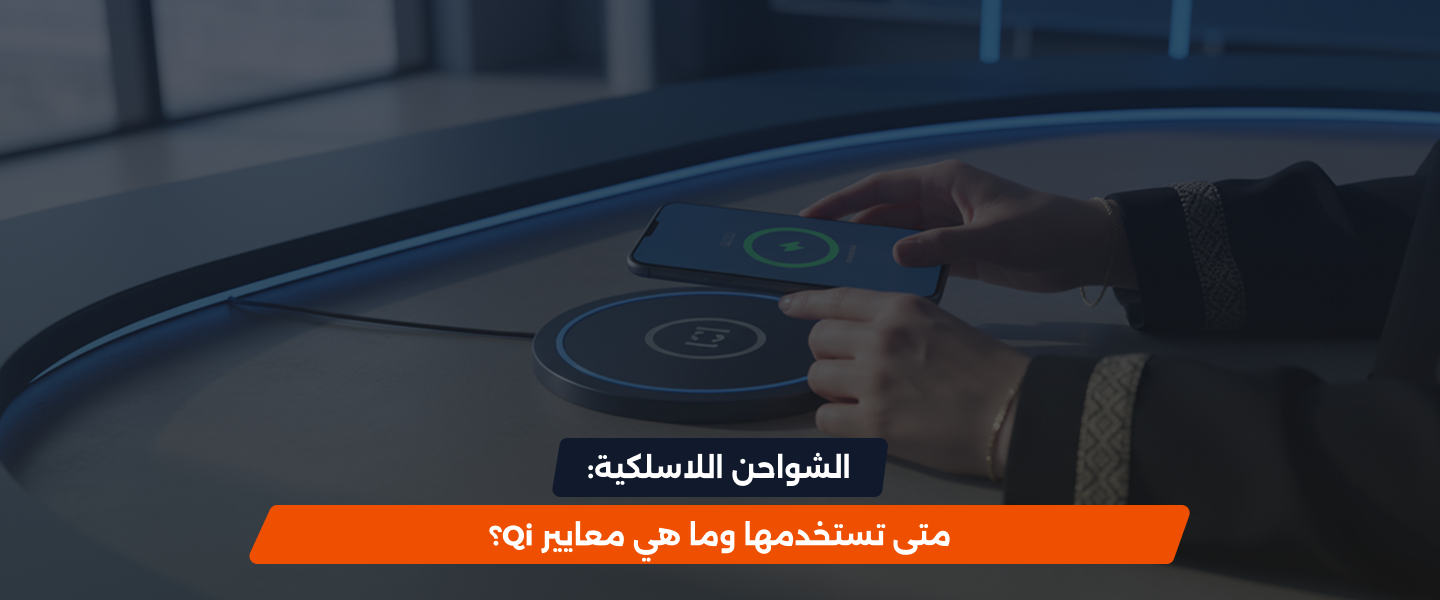
Wireless chargers: When to use them and what are the Qi standards?
Wireless chargers have become an important part of the modern charging experience, especially with the increasing use of fast mobile phone chargers in homes and offices. To make the picture clearer, the use of wireless chargers and understanding their standards can be divided as follows:
When do you use it?
- It is preferable to use it when you want to charge your phone while working or while sitting at your desk without having to disconnect and reconnect the cable every time.
- It is a suitable choice before bedtime, especially for those who use wireless charging technology to avoid repeated strain on the charging port.
- Suitable for phones that support fast charging, but keep in mind that wireless charging is slower than wired charging, even when using fast chargers for mobile phones.
- It is recommended to use it with phones that are charged several times a day to protect the port from damage, especially when using high-performance cables.
- A safe choice for Apple device users, especially when relying on certified chargers instead of just using a fast iPhone charger.
What are the Qi standards?
- The Qi standard is the global standard used in most wireless chargers and ensures that the charger is compatible with the phone without any risks to the battery.
- It provides protection against overheating during charging, which makes it suitable for frequent use even with devices that rely on fast chargers.
- It supports a constant power distribution that ensures stable charging without current fluctuations, which is an important element for battery maintenance.
- Manufacturers that adopt the Qi standard adhere to rigorous safety tests, which makes it more reliable than uncertified wireless chargers.
- It works efficiently with modern phones, whether they use a Type-C port or those that require compatible chargers such as an original iPhone fast charger.
Wireless charging is a convenient and practical choice, but it relies heavily on the Qi standard to ensure safety and efficiency.
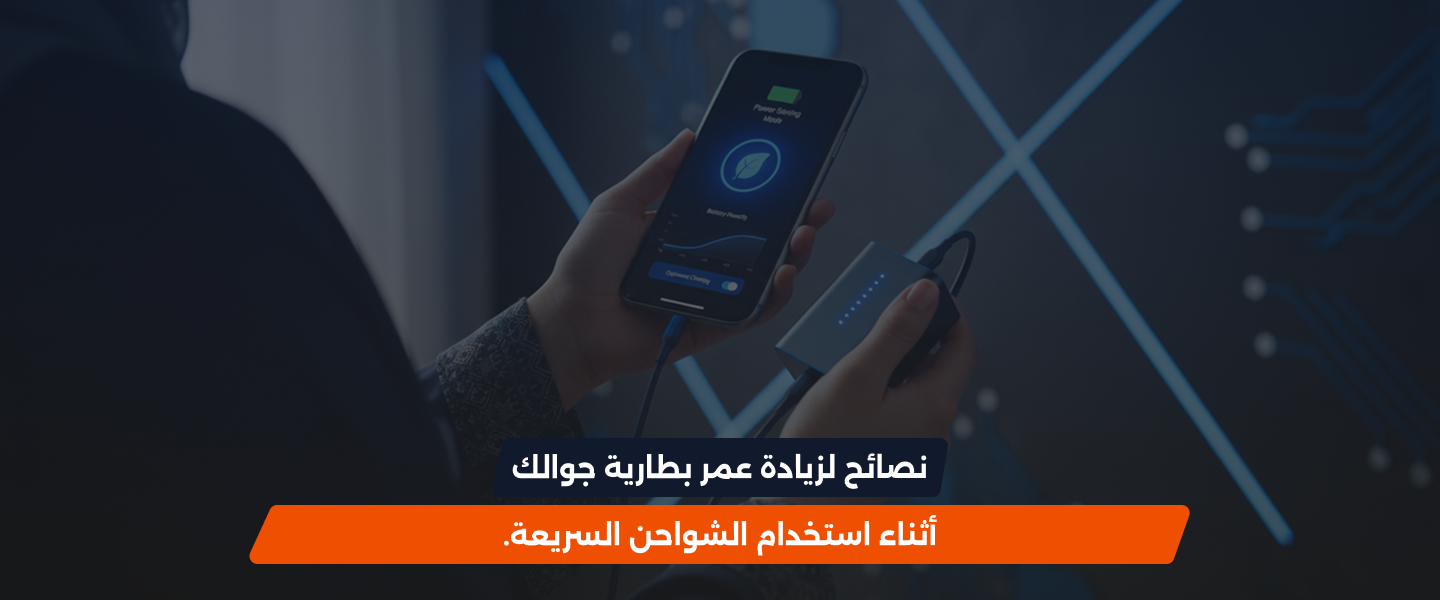
Tips to increase your phone's battery life while using fast chargers:
With frequent use of fast chargers, battery life may be affected if charging is not handled correctly. Therefore, it is important to follow some guidelines that help reduce stress on the battery and maintain its performance for as long as possible.
- It is preferable to charge the phone before the battery drops to very low levels, as this reduces stress on the cells, especially when using powerful chargers.
- Avoid keeping the phone connected to the charger for long periods after it reaches 100% because this generates excessive heat and affects battery life.
- Using a certified charger or an original iPhone fast charger with compatible devices reduces the risk of overcurrent and maintains stable power levels during charging.
- It is best not to use the phone while it is fast charging to reduce heat, especially with devices that rely on high-capacity fast chargers for mobile phones.
- Avoid charging your phone in hot places or under direct sunlight because heat reduces the battery's ability to hold a charge.
- Activating the smart charging management feature in modern phones helps to automatically regulate charging cycles and improves long-term battery life, even when using wireless charging or a Type-C charging cable.
- It is preferable to remove the thick case when using wireless charging technology to prevent the phone from overheating during the charging process.
- Reducing the number of open applications in the background while charging helps to reduce the load on the processor and keeps the device cool throughout the charging period.
Following these guidelines will ensure you get the most out of fast mobile chargers while preserving battery life.
Choosing the right charger is no longer just a side step, but a fundamental element for maintaining phone performance and battery quality in the long run. With the variety of fast chargers for mobile phones and the emergence of advanced charging technologies, it has become necessary to understand the different protocols, distinguish between original and counterfeit chargers, and choose the appropriate cable to ensure the highest possible charging efficiency. Adhering to safety standards, whether using wired chargers or relying on wireless charging technology, gives you a stable charging experience and reduces the risk of overheating or battery damage. By using reliable tools, you will benefit from the phone's true fast charging capability without affecting its lifespan. Ultimately, investing in a certified charger and a high-quality cable is protection for the phone before it is just a way to increase speed, which makes your decision in choosing a charger a smart step that deserves attention.
Frequently Asked Questions
Does fast charging harm battery life in the long run?
Fast charging does not harm the battery if the charger is certified and suitable for the type of phone, but the real damage comes from using non-original or non-compliant chargers, as modern phones are equipped with protection systems that prevent overheating.
What is the difference between a Type-C charger and a Lightning charger?
The Type-C charger is characterized by higher transfer speeds and is compatible with most Android devices and works very efficiently when using the best Type-C charging cable. As for the Lightning charger, it is dedicated to Apple devices and works with high efficiency. Both are safe and effective, but Type-C is considered the most widespread today.
Do all mobile phones support fast charging?
Not all phones support fast charging. A phone must support a charging protocol such as PD or QC to benefit from fast mobile chargers, as some budget phones operate with limited charging capabilities, while modern phones support higher speeds. Therefore, you should check your phone's specifications before buying a fast charger.
Choose today from the best types of fast mobile chargers and enjoy safe and reliable charging speed that preserves your battery and gives you greater convenience with every use through Mobile Click